English
 中文简体
中文简体
β--PPH Single and Double Type Pneumatic Flanged Ball Valve
The pneumatic actuator operates at a very high speed, which significantly reduc...
View MoreContent
Buying a plastic ball valve by asking "do you sell them?" is how projects end up paying twice. What actually decides whether a plastic ball valve runs quietly for five years or fails in its first, is the body material, the seal elastomer, and how the valve body joins the pipe — not the unit price on the quotation sheet.
The short answer: match the material to the medium, the temperature and the line pressure first, align the connection type with the piping you already have, and only then pick the actuation based on whether the valve sits within arm's reach. Everything else — brand, colour, packaging — is secondary.
A plastic ball valve is not one product. The same DN50 body can be a workhorse or a liability depending on what it is moulded from, how the seats are supported, and whether the seals are EPDM, FPM or PTFE-encapsulated.
Purchasing teams usually start from price and lead time. On site, four decisions drive premature failure:
These four choices interact. Moving to a higher-pressure material usually raises the temperature ceiling, which changes the seal selection, which in turn can change the connection. Work from the medium and temperature outward, and let price fall out at the end.
Three materials coexist in the plastic ball valve category because they solve different problems. Treating them as interchangeable is the single most common selection error.
| Material | Continuous service temperature | Common pressure ratings | Typical use | Watch out for |
|---|---|---|---|---|
| β-PPH / PPH | Up to roughly 90 °C | 1.0 MPa and 1.6 MPa | Chemical lines, water treatment, environmental systems, cooling water in ironmaking | Attacked by strongly oxidising acids; needs a matched welding machine |
| PPN | Up to roughly 90 °C | 1.0 MPa and 6 MPa | Higher-pressure water and chemical transfer where rigidity matters | Stiffer than PPH; same wall thickness carries a higher rating |
| PVDF | Up to roughly 140 °C | 1.0 MPa, 1.6 MPa and 6 MPa | Semiconductor, pharmaceutical, high-purity water, solvents | Higher material cost; allow for thermal expansion in long runs |
One practical rule: keep pipe, fittings and valves on the same material grade. Welding a PVDF valve into a PPH line does not give you PVDF chemical resistance — it gives you a weak joint that behaves like neither material.
 PVDF Ball Valves for Corrosive and High-Purity Fluid SystemsPVDF ball valves resist strong acids, alkalis, solvents, and high temperatures with low particle release for high-purity chemical, semiconductor, and pharmaceutical fluid lines.View Product →
The connection type decides how fast maintenance happens, and maintenance speed is usually the largest hidden cost in a plastic piping system.
Union nuts clamp the valve body between the two pipe ends. Undo them and the body slides out without moving the pipeline. On lines near pumps, filters and dosing points — anywhere a valve gets pulled for cleaning once or twice a year — this is the correct choice. It is also the most compact option where space is tight.
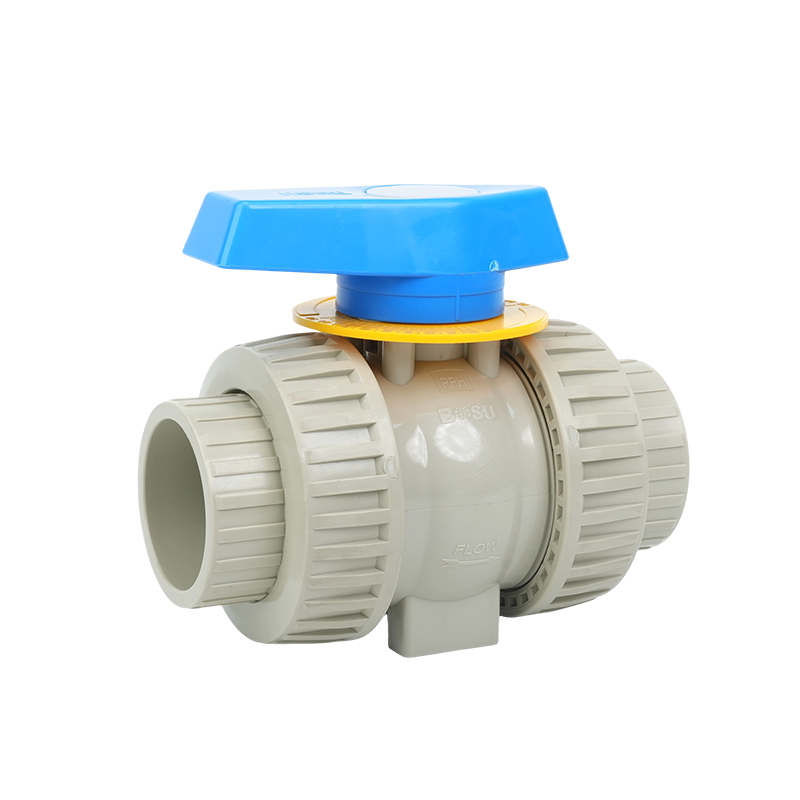 β-PPH Double Union Ball Valve for Accessible Industrial PipingThis β-PPH double union ball valve allows body removal without disturbing the pipeline, with locking nut and flow-angle dial for maintenance-friendly industrial systems.View Product →
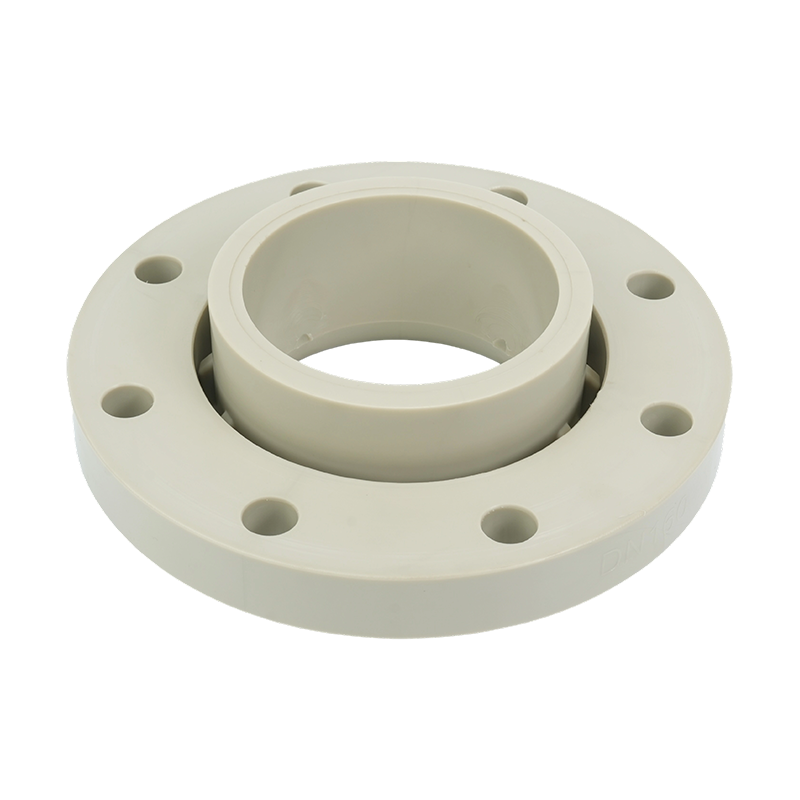
Flanged ends bolt onto flanged fittings or adaptors. They take higher axial loads than a union joint and are common above DN80, where union nuts become physically large and awkward to torque. Flanged bodies also separate cleanly from the pipe, which matters when the valve has to come out without disturbing a welded header.
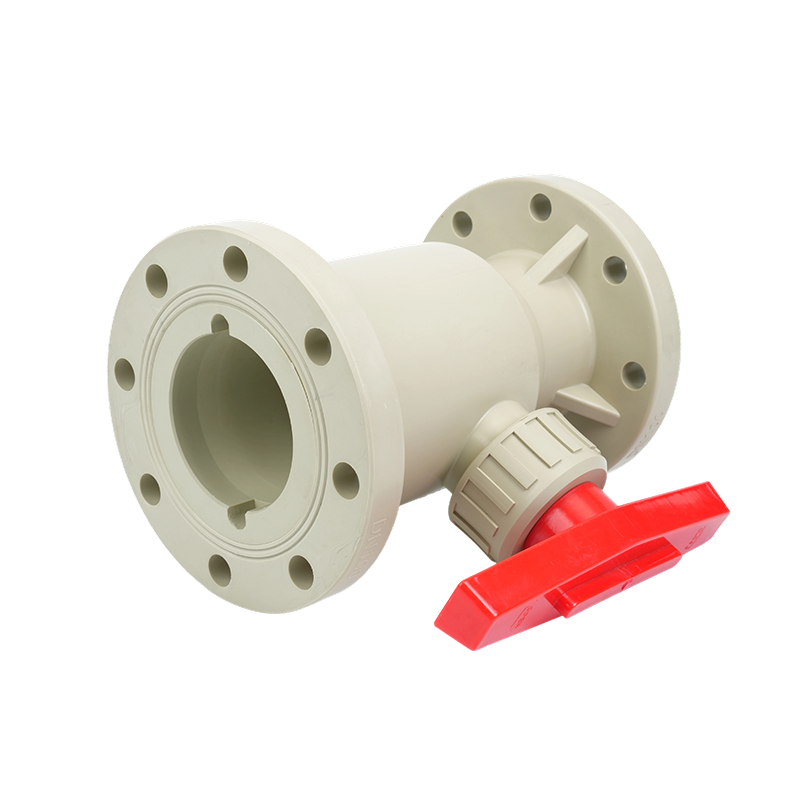 β-PPH Flanged Ball Valve for High-Load Industrial PipelinesThis β-PPH flanged ball valve provides low resistance, reliable sealing, and clean separation for industrial lines where flanged connections suit higher axial loads.View Product →
These are permanent joints with no gasket and no nut to loosen. That makes them the right answer for buried runs, high-vibration skids and lines that simply must not leak. The trade-off is that removing the valve means cutting pipe. If a line will ever need intervention, put a union or flange somewhere nearby.
Pressure ratings on plastic pipe are quoted at 20 °C. Raise the temperature and the allowable pressure drops, sometimes steeply. A line that looks comfortable at 1.0 MPa in winter can be marginal in summer if the medium runs warm.
Where a line genuinely needs both higher pressure and chemical resistance, PPN and PVDF ball valves reach 6 MPa in selected sizes, which covers most industrial service without moving to metal.
A handle is the cheapest and often the best answer up to about DN50. Beyond that, the torque needed to seat a ball properly rises quickly, and operators start using extensions and cheater bars — which is how stems get twisted.
A gear operator multiplies torque and holds the valve where you leave it, which is useful on large valves that must not drift. Electric actuators suit remote or automated control. Pneumatic actuators open and close fast and are preferred where the atmosphere rules out motors.
The detail that gets missed: actuation changes the loads on the valve. A ball valve that works perfectly by hand can shear its stem when an oversized cylinder is bolted on. Match the actuator to the valve's actual break and run torque, not to the nominal line size.
None of these are manufacturing defects in the ordinary sense. They are selection and installation outcomes, and they are all decided before the purchase order is issued.
Mapping the application to a material group removes most of the guesswork. Across the industries that use plastic piping, the pattern is consistent:
Where a plant spans several of these, standardising on one material family for the whole site usually beats optimising each line separately — fewer spare parts, fewer welding procedures, fewer mistakes at 2 a.m.
It depends entirely on the polymer. PPH and PPN are generally comfortable up to around 90 °C in continuous service, while PVDF extends to roughly 140 °C. The pressure rating falls as temperature rises, so the temperature and pressure limits have to be read together, never separately.
If the valve will be removed for cleaning or inspection, use double union — it comes apart without disturbing the pipe. If the line is large, subject to axial load, or needs to be disconnected from a fixed header, use flanged ends. Above roughly DN80 the union nuts become impractical to torque by hand.
You can, but you usually should not. Different polymers expand at different rates and need different welding procedures. Mixing PPH pipe with a PVDF valve creates a joint that is weaker than either material alone, and it complicates every future repair.
The raw polymer costs more, and it is processed at tighter tolerances. The return is a much wider chemical and temperature envelope — it is not a like-for-like comparison at the same duty.
Choosing a plastic ball valve is a matching exercise, not a price comparison. Fix the medium, the maximum temperature, the line pressure and the connection standard first, then look for a supplier who makes the pipe, the fittings and the valve from the same material family — that keeps interface risk in one place. Before the order goes out, ask for the material certificate, the seal data sheet and the pressure-temperature table.
If the line is already built, measure the existing pipe outside diameter and connection type before ordering. Face-to-face dimensions and end connections on plastic ball valves are not interchangeable the way metal valves often are. A measurement error will cost you more than any material decision you make on this page.
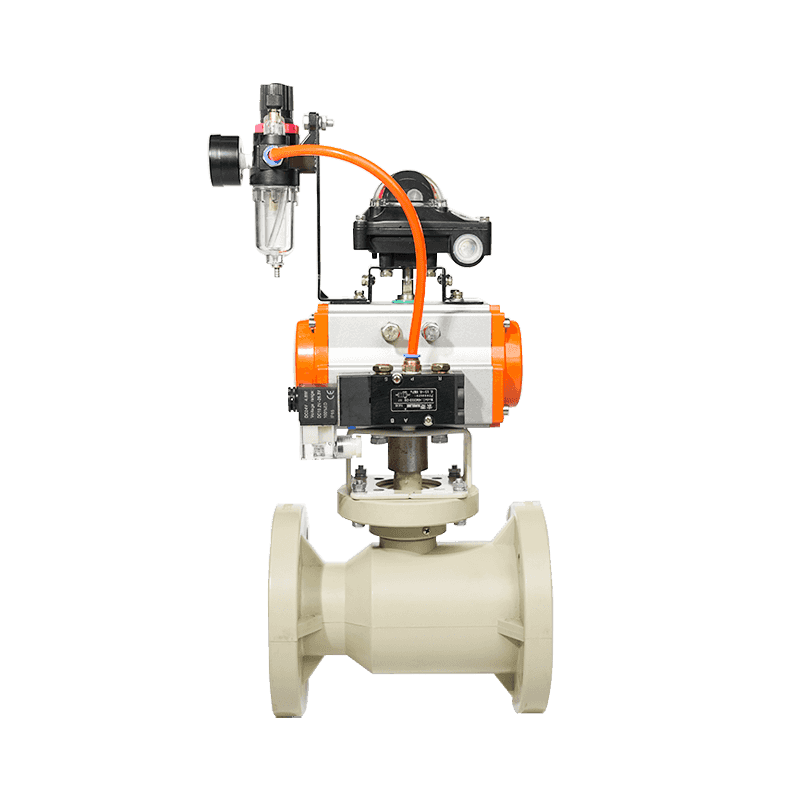
The pneumatic actuator operates at a very high speed, which significantly reduc...
View More
1. Product Features: Personalized handle indication function, install LOGO, medi...
View More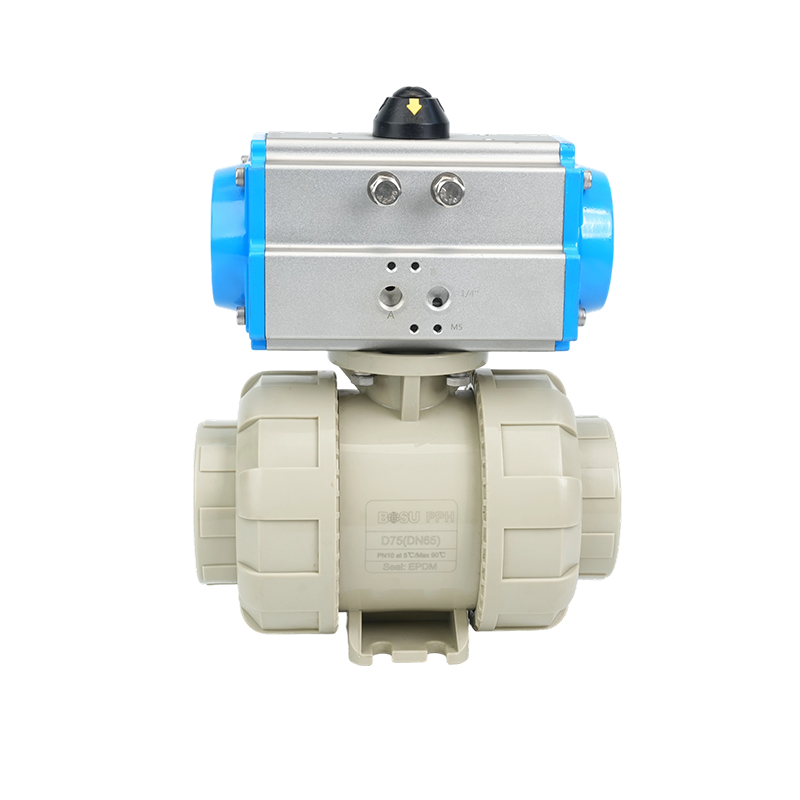
Product Features: This automatic device utilizes compressed air to actuate the ...
View More
1.Product Features: This valve offers low fluid resistance due to its simple str...
View More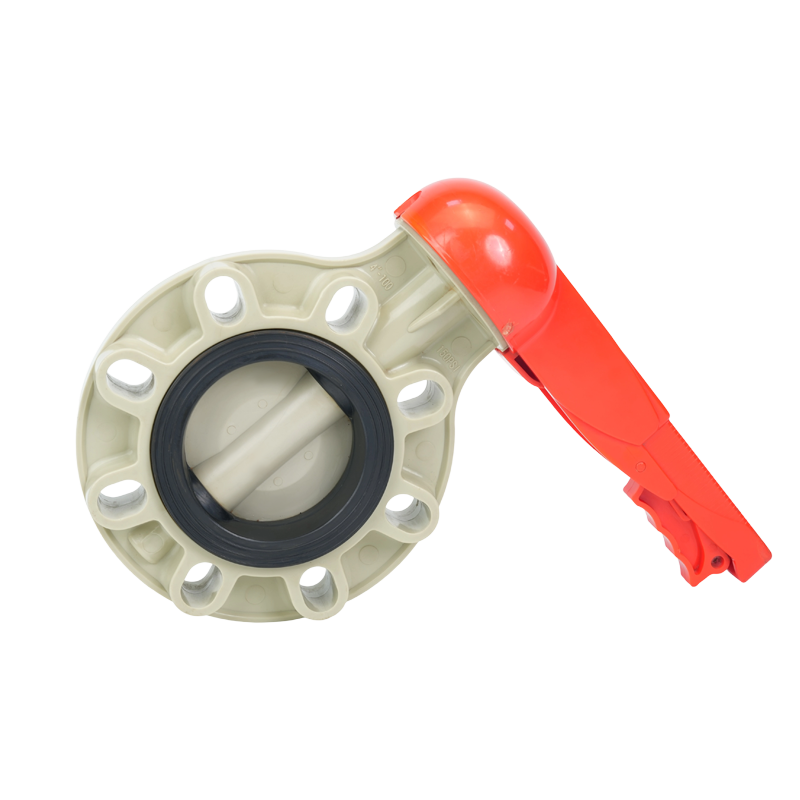
Easy to open and close, low fluid resistance, and simple structure. When fully ...
View More
Products
Company Information
Address: No. 55 Haichuan Road, High-Tech Zone, Dongtai City, Jiangsu Province, China
Mobile: +86 137 7009 5258
Tel: +86-515-85479999
Email: [email protected]
We'd love to hear from you!