 English
 中文简体
中文简体
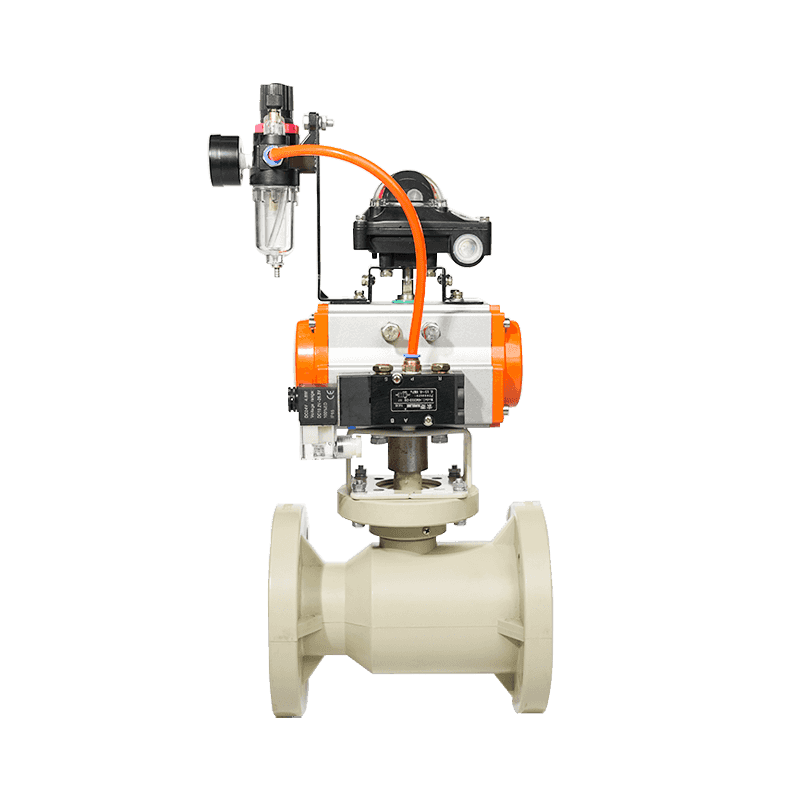
β--PPH Single and Double Type Pneumatic Flanged Ball Valve
The pneumatic actuator operates at a very high speed, which significantly reduc...
View MoreContent
A plating lab's rinse line is a useful starting point. A brass ball valve that turned freely at commissioning is stiff within eight months, the seat no longer holds, and the leak shows up as a drip in the floor tray. The medium was dilute acid at roughly 60 °C and the line was DN25.
That story repeats in laboratories for a simple reason: the failure is rarely about brand or workmanship. Valve selection follows a fixed order. Chemical compatibility of the body and the seal comes first, then the temperature and pressure of the real duty, then the connection the line can actually accept. Type and actuation come last.
Plastic ranges built for these duties, such as β-PPH, PPN and PVDF bodies with EPDM, FPM or PTFE-faced seals in 1.0 MPa to 6 MPa classes, are designed to be specified in that order.
Laboratory lines are harder on valves than process lines of the same size. Flow is intermittent, media change between campaigns, lines sit closed for weeks, and cleaning agents run at temperatures the original specification never mentioned. Five failure modes account for most of the trouble:
The practical consequence is that in lab service the seal and the joint, not the body wall, usually decide how long a valve lasts.
Plastic bodies are chosen where metal ions are unacceptable or where the medium would corrode a metal valve from the inside. Three families cover most laboratory work, and they are not interchangeable.
β-PPH is a nucleated polypropylene homopolymer. It fuses and welds easily, takes impact well, and suits acid waste, dilute chemical drainage, water treatment and larger headers.
PPN is a polypropylene grade published in 1.0 MPa and 6 MPa pipe classes, which is useful when the supply and drain sides of a system sit at very different pressures.
PVDF is a fluoropolymer, specified for the highest temperatures in the range, for high-purity work such as semiconductor wet benches and pharmaceutical lines, and for aggressive media that attack polypropylene.
| Material | Pressure classes in this range | Commonly specified for | Watch-outs |
|---|---|---|---|
| β-PPH | Pipe and fittings 1.0 MPa and 1.6 MPa | Dilute acids and caustics, acid waste, rinse water, water treatment | Lower temperature ceiling than PVDF; keep strong solvents off the list |
| PPN | Pipe 1.0 MPa and 6 MPa | General chemical service, mixed lab drainage, water treatment | Confirm the valve class matches the pipe class |
| PVDF | Pipe 1.0 MPa, 1.6 MPa and 6 MPa | High-purity and aggressive media, semiconductor, pharmaceutical lines | Highest cost; specify only where the duty requires it |
The rule that prevents the most rework: a system's pressure rating is the lowest rating of any component in it, and ratings fall as temperature rises. A 1.6 MPa pipe joined to a 1.0 MPa valve gives you a 1.0 MPa line, and the figure published at 20 °C is not the figure you get at 80 °C.
Material settles the limits. Type follows from how often the valve is operated and why.
For general isolation on a chemical or water line, a PPH double union ball valve with an EPDM or FPM seal covers the widest range of duties and stays serviceable in place.
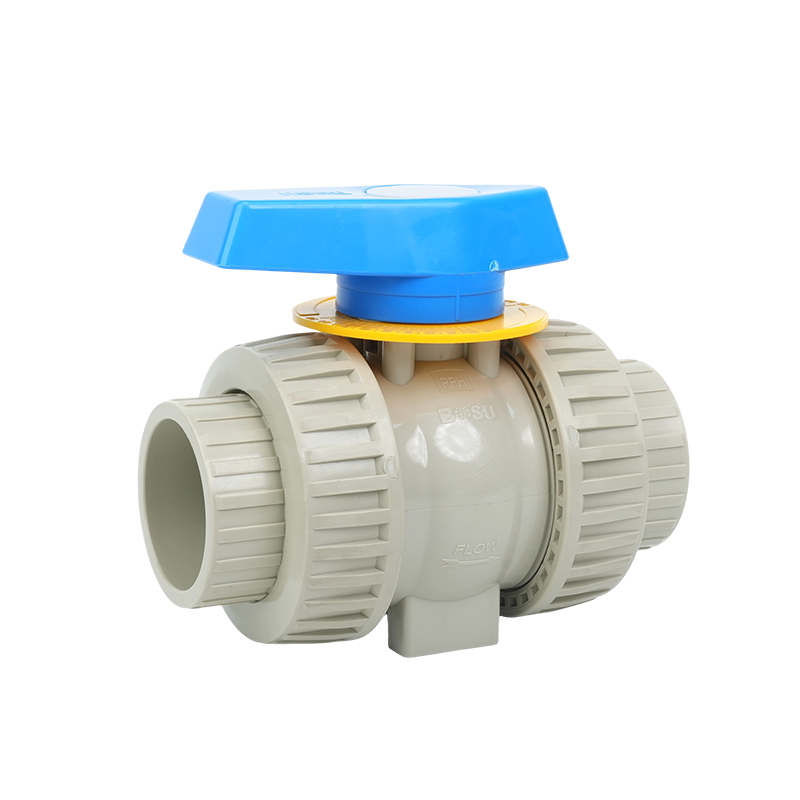 β--PPH Double Union Ball Valveβ--PPH Electric Double Union Ball ValveView Product →
Backflow damages equipment rather than floors. A shared waste header, a neutralisation tank that fills above the drain outlet, or a pump that stops mid-transfer will pull liquid the wrong way unless a check valve is fitted.
Three placement rules cover most cases: fit the check valve immediately downstream of the pump discharge; use a swing pattern on vertical lines so it closes under gravity; and use a foot valve with a strainer on suction lines so the pump stays primed.
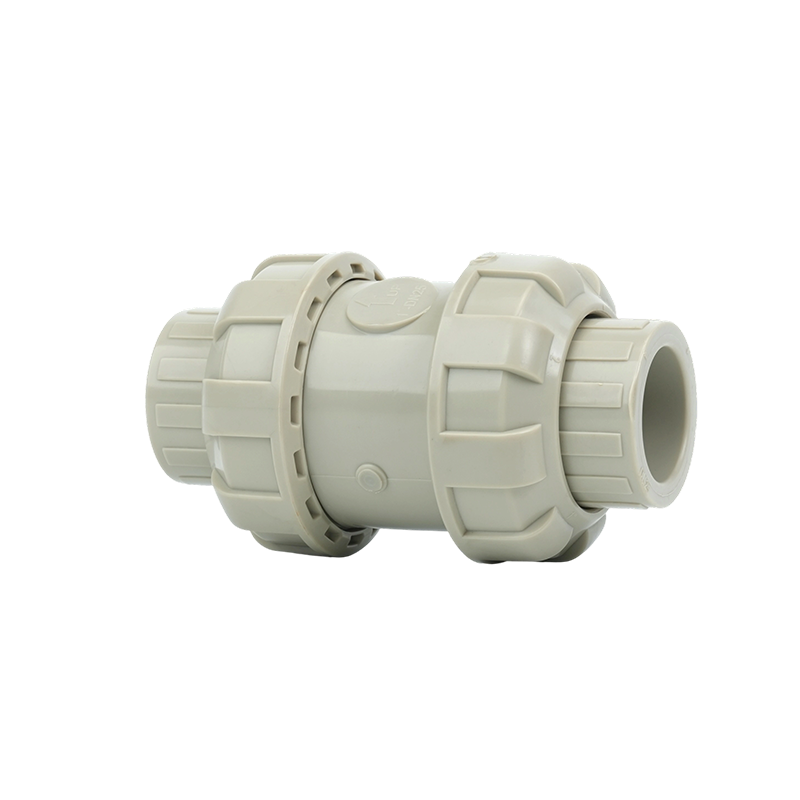 β--PPH Double Union Check ValveThis valve features a simple structure and high cost-effectiveness, with low flow resistance. It is typically installed in pipelines to control the unidirectional flow...View Product →
The seal touches the medium at every joint, so it deserves the same scrutiny as the body.
Connections create leak paths of their own. Fused joints, whether hot melt socket, short butt weld or long butt weld, remove elastomers from the line completely and suit permanent chemical and waste runs. Flanged joints with steel-lined lap joint flanges or flange adapters are used where a valve or instrument must come out. Keep threaded joints to small instrument take-offs.
If the material range is new to you, it helps to review how a plastic valve is built and where its sealing surfaces sit before you compare models.
Sizing errors in lab piping surface as noise, vibration or a valve that will not hold, not as an obvious blockage. Velocity is the number to check first.
At 2 m3/h, a DN15 bore runs at about 3.1 m/s, DN25 at roughly 1.1 m/s and DN40 at about 0.4 m/s. High velocity wears plastic seats, adds pressure drop and makes the line audibly noisy, while very low velocity in a horizontal drain lets solids settle. A band of 1 to 1.5 m/s suits most continuous chemical and water lines, with more allowed on short intermittent runs.
Two further checks belong in the same review. Confirm that pipe, fittings and valves share a pressure class, and apply the temperature derating published for the material. Then size actuation for torque at maximum line pressure instead of choosing an operator separately. On larger automated headers, an electric butterfly valve gives repeatable position for control-system interlocks.
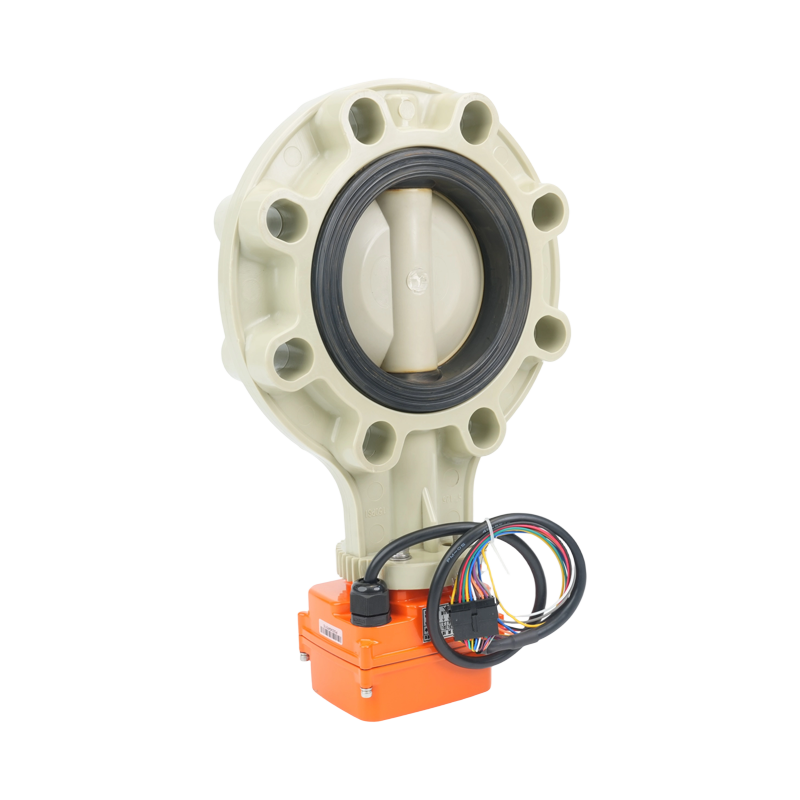 β--PPH Electric Butterfly ValveThe electric butterfly valve uses electricity as the driving force, consisting of an electric actuator and a butterfly valve. It is less affected by temperature, press...View Product →
Design for drainage as well: mount valves with the stem upright where possible, avoid dead legs longer than a few diameters, and slope waste runs continuously to the sump.
Take this list to the quotation stage and most specification errors surface before delivery.
Yes, with a proper transition. Use flange adapters or threaded transitions, support the plastic side independently, and allow for the different thermal expansion of the two materials so the plastic body is not loaded by metal pipework.
Double union for small and medium lines where you want to remove the body without cutting pipe. Flanged for larger lines, higher stiffness and where the valve bolts directly to equipment.
If the drain discharges into a shared header, a tank or a sump that can back up, yes. Where the drain is a dedicated gravity line to an open point, a check valve adds a component without removing a real risk.
When the duty needs its high temperature ceiling, its purity or its resistance to a specific solvent. For dilute acid at ambient temperature, β-PPH usually does the job for less.
Laboratory valves are simple components asked to do a wide range of jobs in the same building. Settle body material and seal compound from the medium list, confirm pressure class and temperature derating across the whole line, choose the type from how often the valve moves, and then size for velocity.
If you are working through a specific acid waste, DI water, reagent feed or drain header line, send the medium, temperature, pressure class and connection details and our team will confirm the body material, seal compound and valve size. You can contact us here with the line data.
The pneumatic actuator operates at a very high speed, which significantly reduc...
View More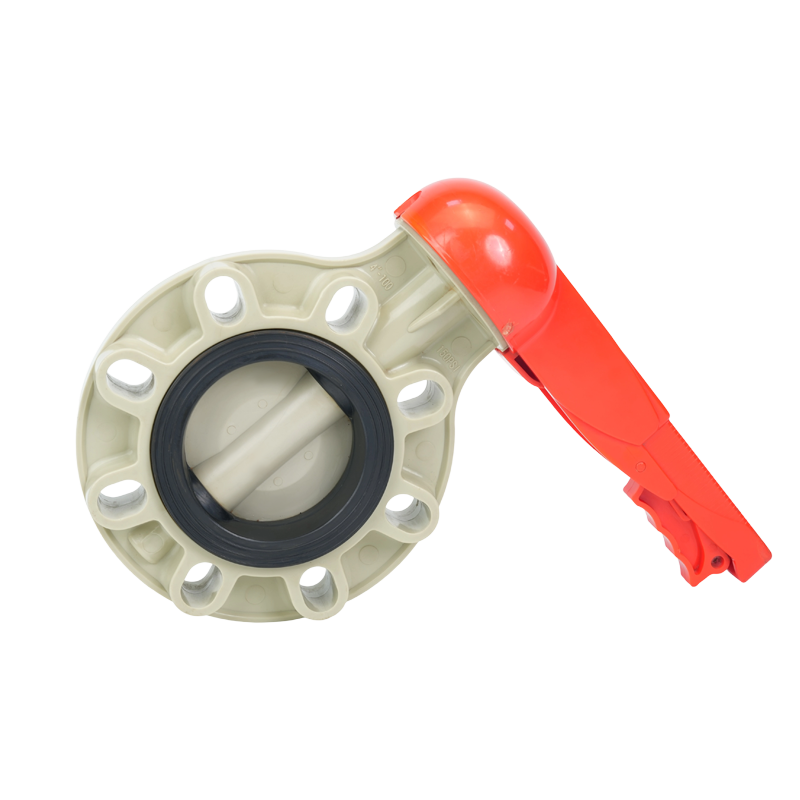
Easy to open and close, low fluid resistance, and simple structure. When fully ...
View More
1. Product Features: Personalized handle indication function, install LOGO, medi...
View More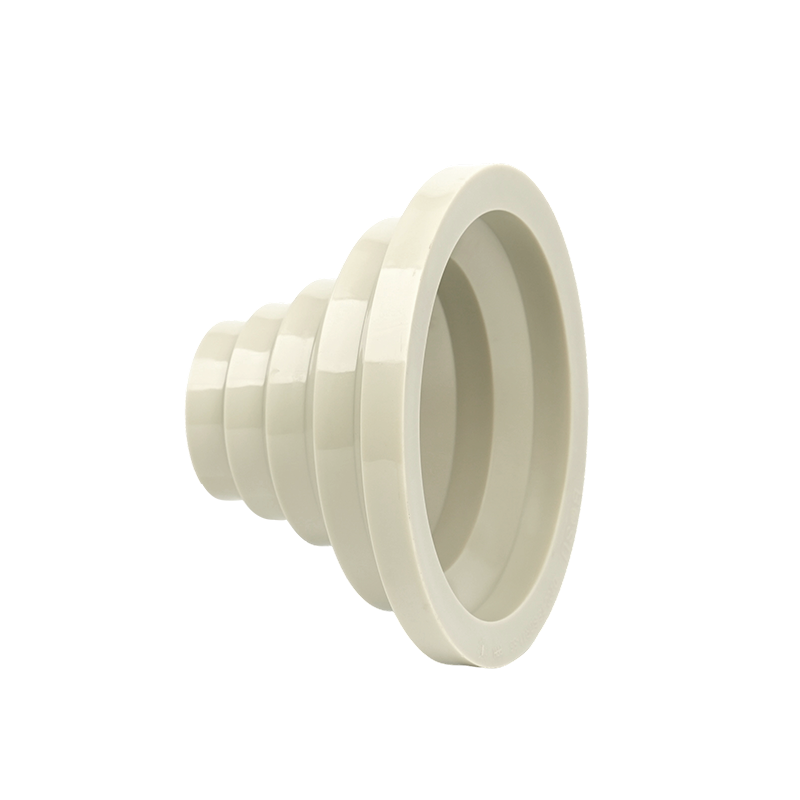
1. The β-PPH barbed head is a type of concentric reducer characterized by its sh...
View More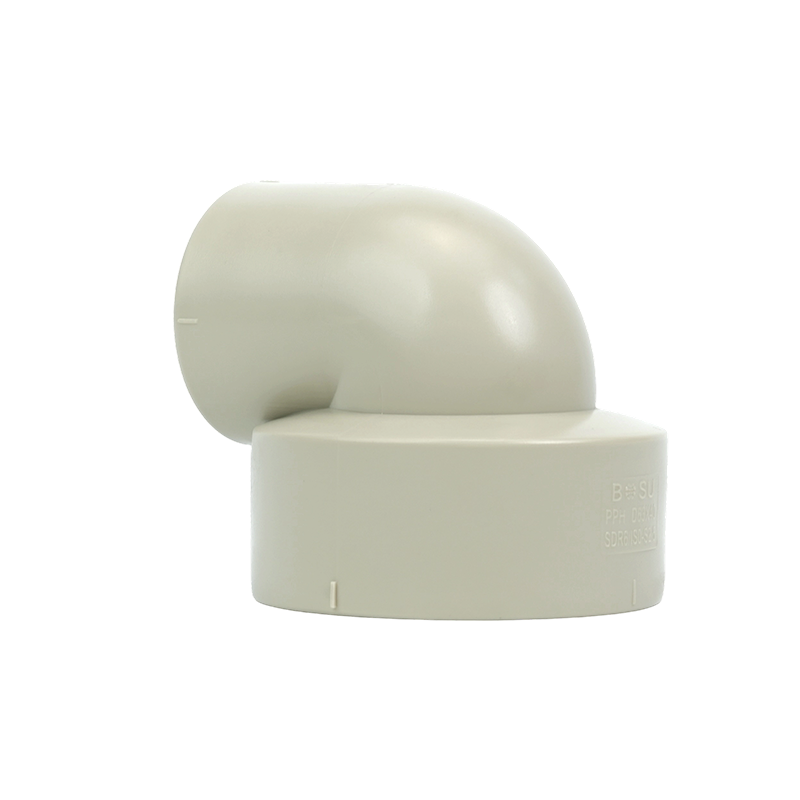
1. This fitting is used to connect two pipes of different diameters, achieving a...
View More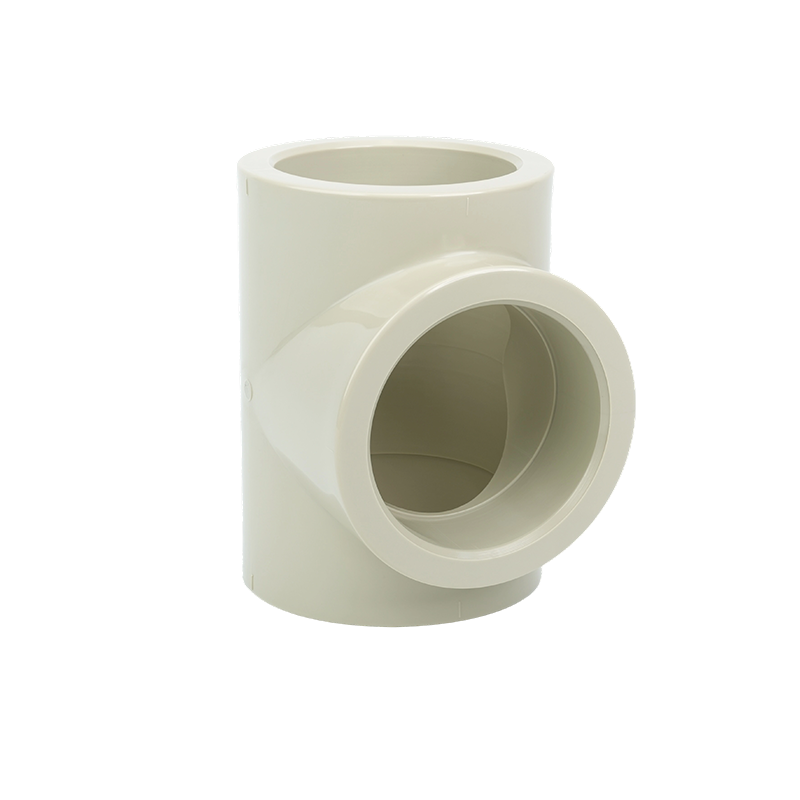
1. It is a type of pipeline fitting, used where the main pipeline needs to branc...
View More
Products
Company Information
Address: No. 55 Haichuan Road, High-Tech Zone, Dongtai City, Jiangsu Province, China
Mobile: +86 137 7009 5258
Tel: +86-515-85479999
Email: [email protected]
We'd love to hear from you!
