English
 中文简体
中文简体
β--PPH Single and Double Type Pneumatic Flanged Ball Valve
The pneumatic actuator operates at a very high speed, which significantly reduc...
View More1. High Temperature Resistance
Taking fluoroplastics (PTFE, FEP, PVDF, ETFE, PFA) as an example, their maximum operating temperature can reach 260℃, with a low temperature limit above -18℃.
Conventional plastic piping (such as PPR and PVC) can be used stably for a long time below 90℃, but softening or even failure will occur above 95℃.
2. Low Temperature Toughness
PPR pipes maintain a certain degree of toughness in low-temperature environments ranging from -20℃ to -40℃, but are prone to brittleness below 5℃, requiring the selection of low-temperature-specific pipes or thickened-walled pipes.
HDPE and PE-RT perform well in the range of -40℃ to -20℃, suitable for heating or water supply systems in cold regions.
3. Comprehensive Performance Testing
By testing pipes in a low-temperature/high-temperature cycling chamber (-80℃ to 150℃) for indicators such as pressure resistance and heat distortion temperature, the reliability of the material under extreme temperatures can be verified.
Industry standards require that the pipeline remain "non-brittle" at -20°C and "non-flowing" at 80°C to ensure safe operation in extreme environments.
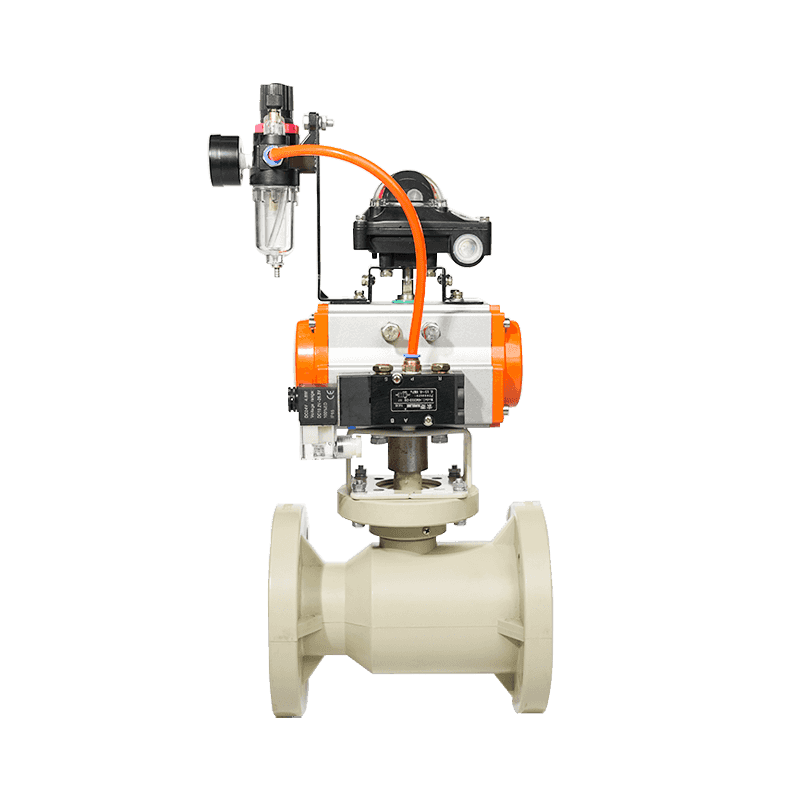
The pneumatic actuator operates at a very high speed, which significantly reduc...
View More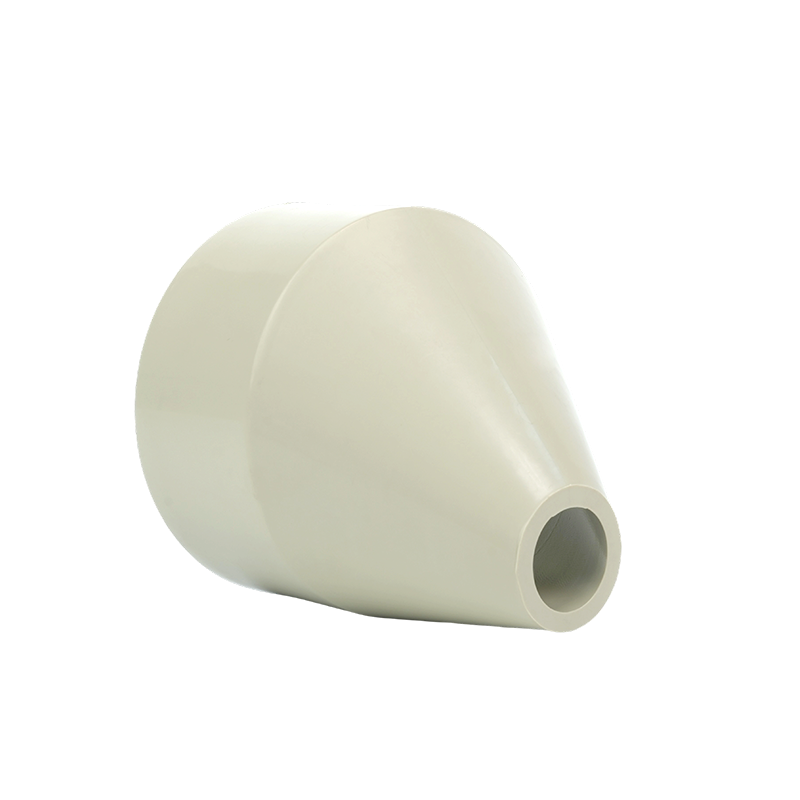
Used on horizontal pipes. Its flat side (on top or bottom) facilitates venting ...
View More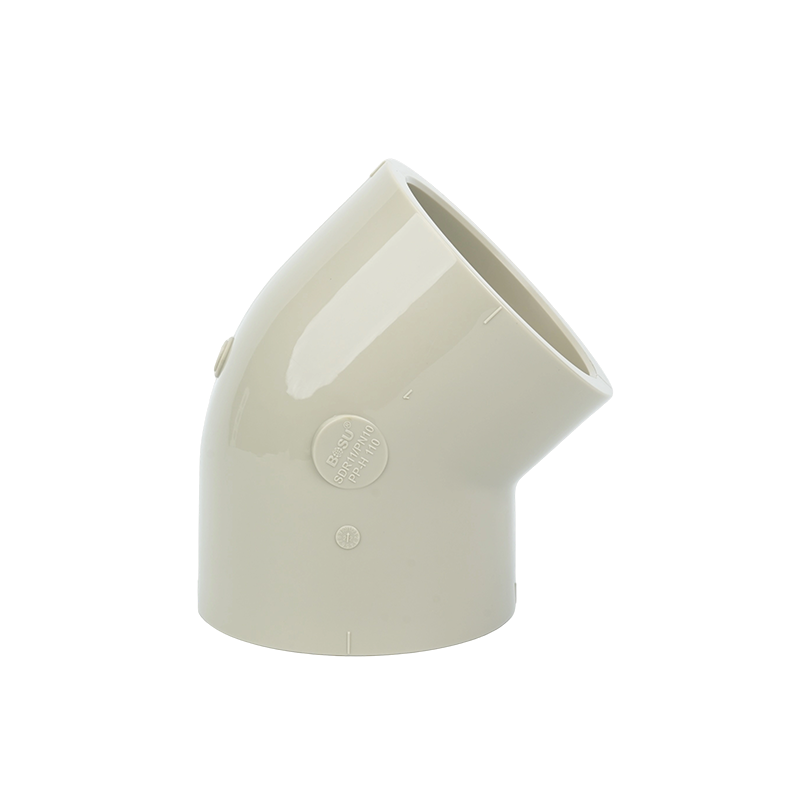
Product specifications are: DN15 (D20), DN20 (D25), DN25 (D32), DN32 (D40), DN40...
View More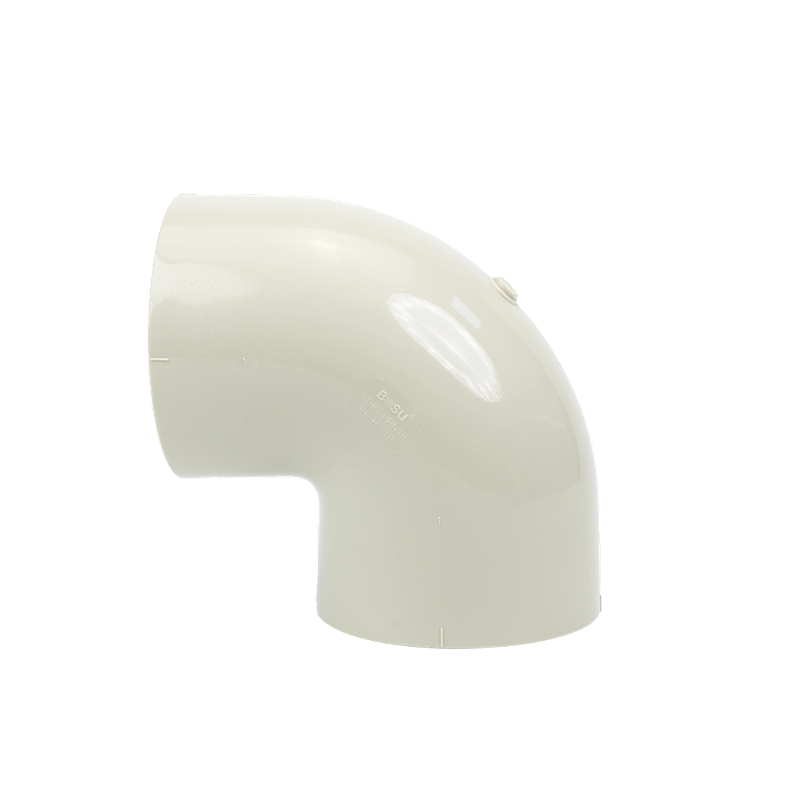
This butt-weld elbow delivers a sleek and high-end appearance after installation...
View More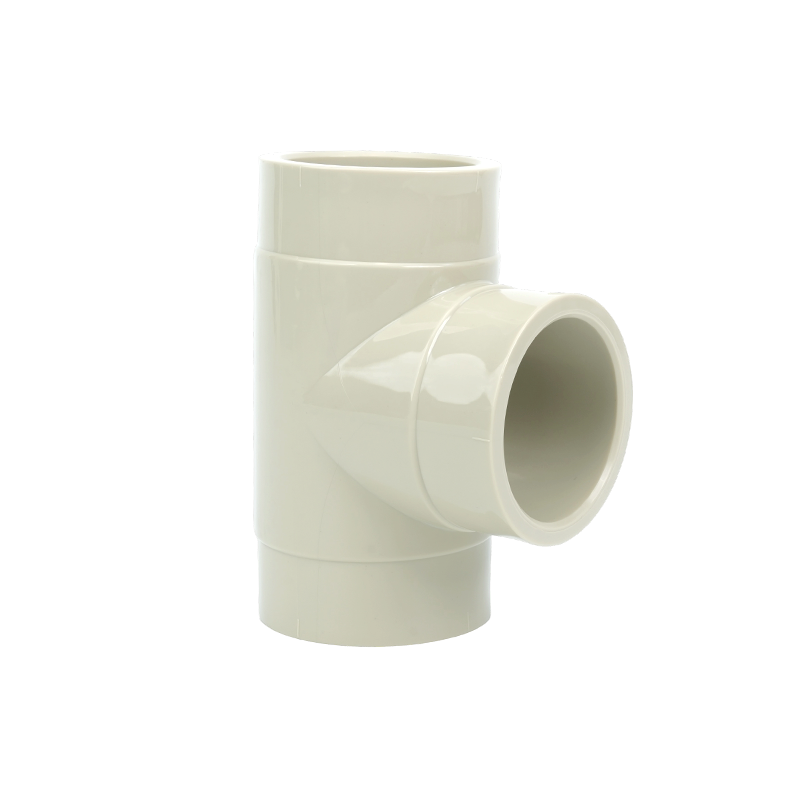
1. Excellent construction and significant high impact strength. 2. Light weight ...
View More
Products
Company Information
Address: No. 55 Haichuan Road, High-Tech Zone, Dongtai City, Jiangsu Province, China
Mobile: +86 137 7009 5258
Tel: +86-515-85479999
Email: [email protected]
We'd love to hear from you!