 English
 中文简体
Pipe Cap Extended-Socket Butt Weld Pipe Fitting
1. In addition to its basic closure function, the pipe cap can also be used for ...
View MoreContent
A maintenance fitter has a 63 mm PPH line, a replacement 90-degree elbow, and a hacksaw with a worn 18 TPI blade. The cut looks square until the fitting is dry-fitted. The gap is uneven, the pipe end is burred, and the joint leaks under test. The saw was not the only problem. The blade, the support, and the cutting speed were just as important.
Plastic pipe rewards a controlled cut: fine teeth, moderate pressure, and a blade sharp enough to shear rather than tear. The right saw to cut plastic pipe is the one that matches the material, diameter, wall thickness, and working position.
For most plastic pipe jobs, a fine-tooth hand saw used with a miter box is the safest general-purpose choice. It is slow enough to control, works on PVC, PPH, PPN, and PVDF, and leaves a square end when the pipe is clamped. A ratcheting cutter is faster for small-diameter PVC and similar pipe, but only when the cutter is rated for the wall thickness. A power miter saw with a negative-rake plastic-cutting blade is the right tool for repeat cuts, not for a single cut in a tight corner.
The saw must suit the pipe, not just the task. A 20 mm thin-wall line and a 160 mm PN16 line need different support, blade exposure, and cutting pressure. If the pipe moves while the blade is cutting, the edge will wander even with a good saw.
| Method | Best for | Cut quality | Main risk |
|---|---|---|---|
| Fine-tooth hacksaw with miter box | Repairs, short runs, mixed pipe sizes | Good to very good when clamped | Blade wander if the pipe is unsupported |
| Ratcheting pipe cutter | Small to medium PVC and similar pipe | Clean and fast on rated sizes | Crushing thin-wall pipe or stalling on thick-wall pipe |
| Power miter saw with plastic blade | Repeat cuts in a workshop | Very good with a fine, negative-rake blade | Kickback, melting, or grabbing if not clamped |
| Cable saw | Tight spaces and inaccessible repairs | Acceptable, but slow | Friction heat and uneven cuts |
Plastic pipe is not one material. PVC cuts with a crisp chip. PPH and PPN cut with a softer, waxier chip. PVDF is denser and more sensitive to heat. A blade that sails through PVC can smear PPH if the saw speed is too high or the tooth count is too coarse. For pressure-rated systems, wall thickness matters as much as outside diameter: a PN10 pipe and a PN16 pipe of the same OD do not have the same stiffness, so the same cutter may crush one and cleanly cut the other.
Leiting's plastic pipe range covers β-PPH/PPH, PPN, and PVDF pipes in 1.0 MPa, 1.6 MPa, and 6 MPa classes, with different wall thicknesses across the range. That matters at the saw: a thicker wall needs more blade clearance and steadier support, while a thinner wall needs lower clamping force to avoid ovaling.
For a 1.6 MPa PPH line, a sharp 18 to 24 TPI hand blade and a rigid miter box are usually enough. For PVDF, use a sharp fine-tooth blade, reduce feed pressure, and avoid dwelling in one spot. Heat buildup can leave a raised edge that looks small but interferes with socket fusion or flanged assembly.
When the cut feeds into a socket-fusion elbow, the pipe end must be square and clean. A burr can reduce the insertion depth, trap debris, and create a stress point at the joint.
Wear safety glasses, gloves, and a dust mask when power cutting. Plastic dust can be irritating, and PVC dust should not be treated as harmless. Use ventilation or dust extraction where possible. Keep the blade guard in place, unplug the saw before changing blades, and keep loose clothing away from the cutting area.
For hand cutting, a miter box is not a luxury. It holds the pipe at a consistent angle and keeps the blade from jumping. For power cutting, a clamp and a stable bench are more important than a high tooth count. A slow, supported cut usually beats a fast, unsupported one.
Not recommended. Coarse wood teeth tear plastic and leave burrs. Use a fine-tooth hand saw or a blade designed for plastic.
An 80T or 100T carbide blade with a negative rake is a common choice for plastic pipe. Avoid positive-rake framing blades that grab the material.
Clamp the pipe, mark around the full circumference, use a miter box, and apply light pressure. Check the cut with a square before fitting.
Yes. Deburring removes the inner lip and outer sharp edge. It improves insertion, reduces flow restriction, and lowers stress at the joint.
Only if the cutter is rated for the material and wall thickness. Many cutters are intended for PVC or CPVC. For thick-wall or high-pressure pipe, a saw and careful deburring are safer.
Choose the saw for the cut you can control, not the fastest cut you can make. A fine-tooth hand saw and a miter box will handle most repairs. A power miter saw earns its place on repeat work. A ratcheting cutter is a convenience, not a universal substitute. The final check is simple: square end, clean bore, dry fit, and a joint that goes together without force. If you are working with pressure-rated PPH, PPN, or PVDF pipe and want to confirm pipe, fitting, and cut preparation, contact our team.
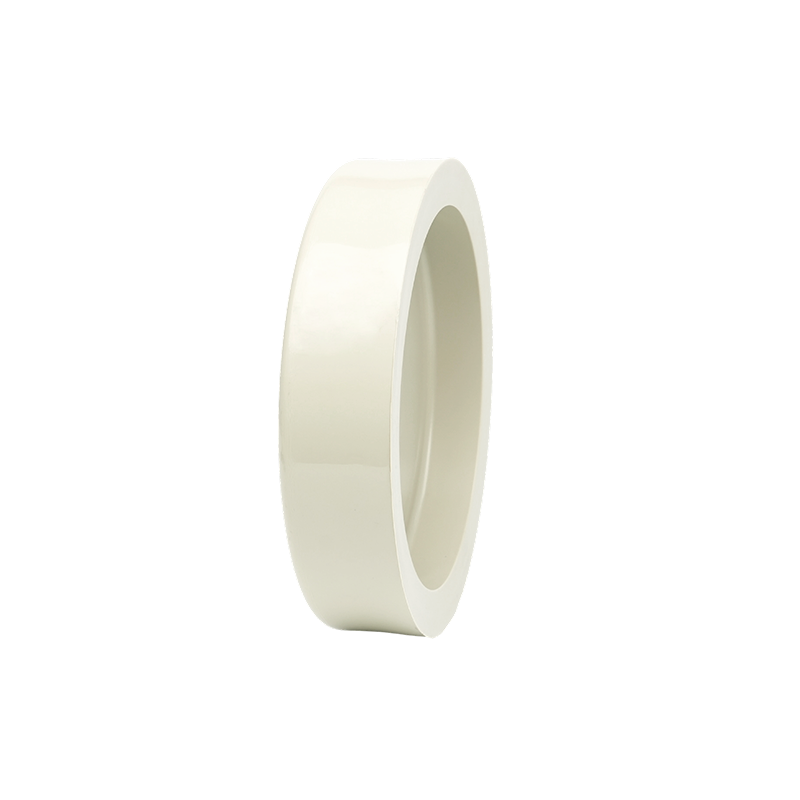
1. In addition to its basic closure function, the pipe cap can also be used for ...
View More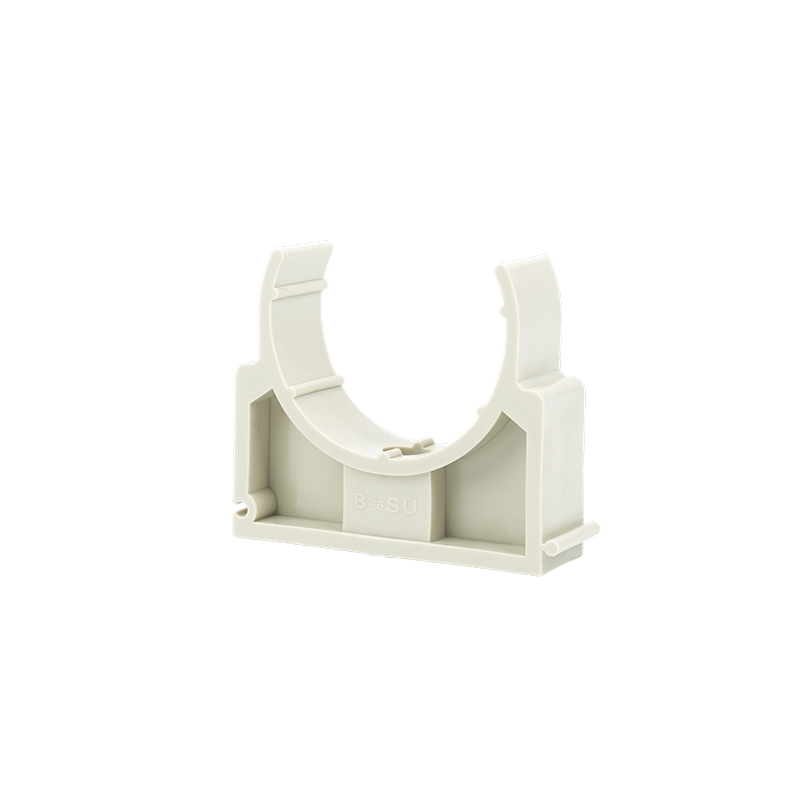
Product Specifications: DN15 (D20), DN20 (D25), DN25 (D32), DN32 (D40), DN40 (D5...
View More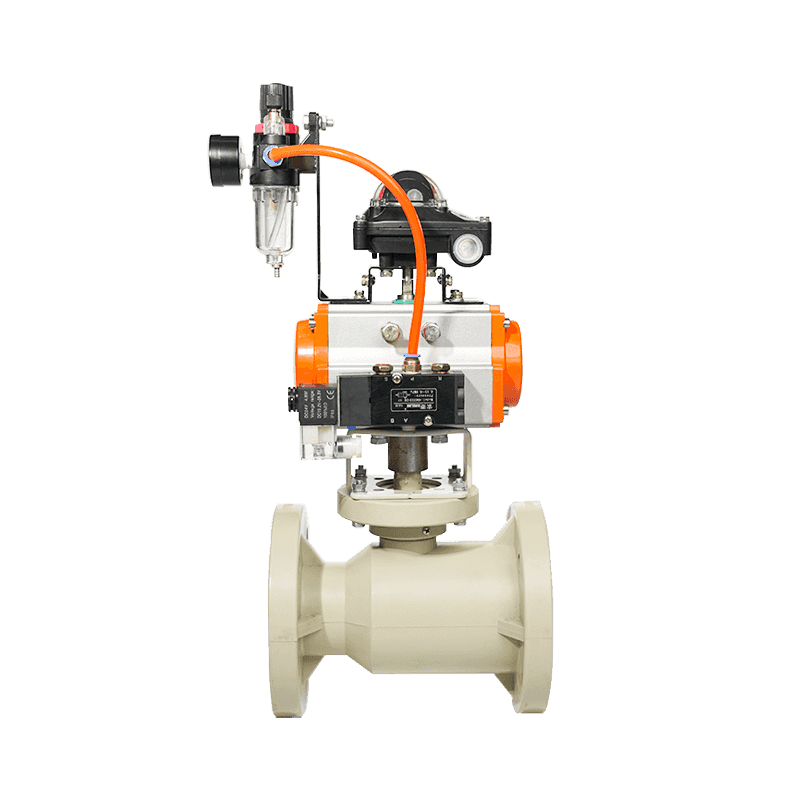
The pneumatic actuator operates at a very high speed, which significantly reduc...
View More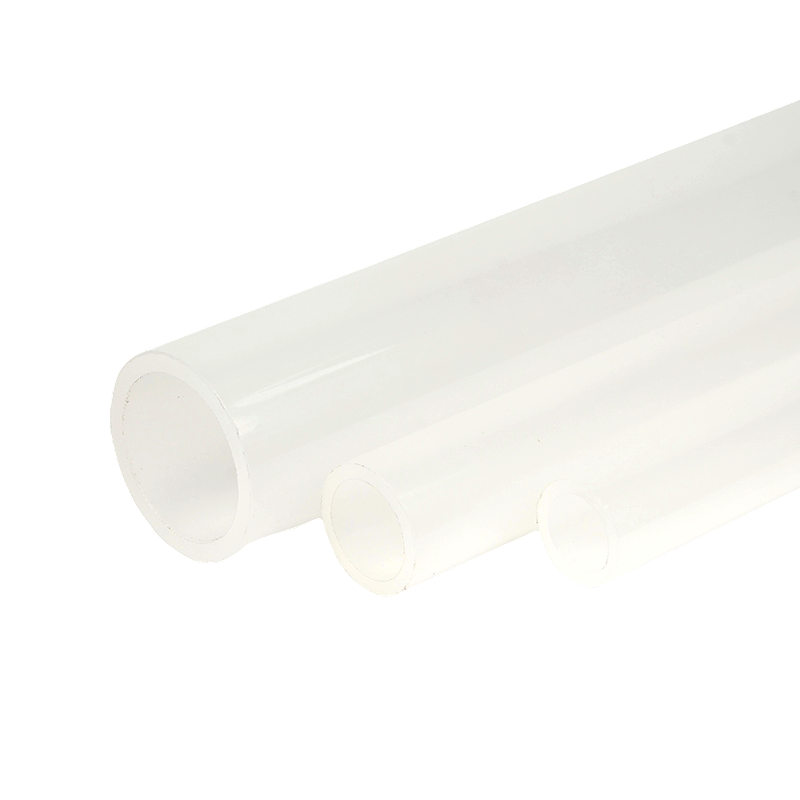
Product Specifications: DN65 (D75), DN80 (D90), DN100 (D110), DN100 (D125), DN15...
View More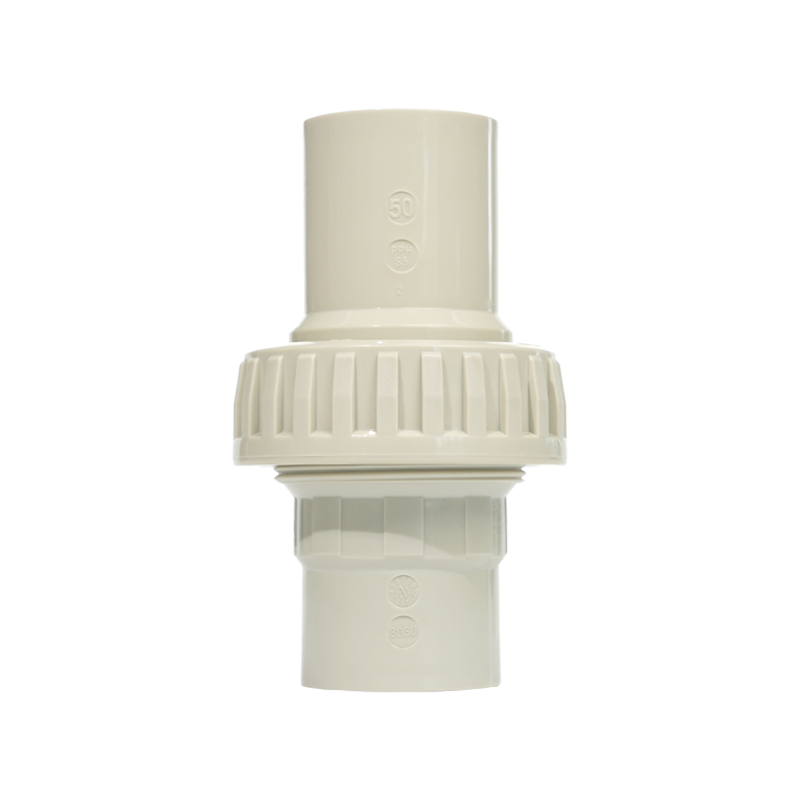
This union is used to connect pipes into a pipeline system. Product Specificatio...
View More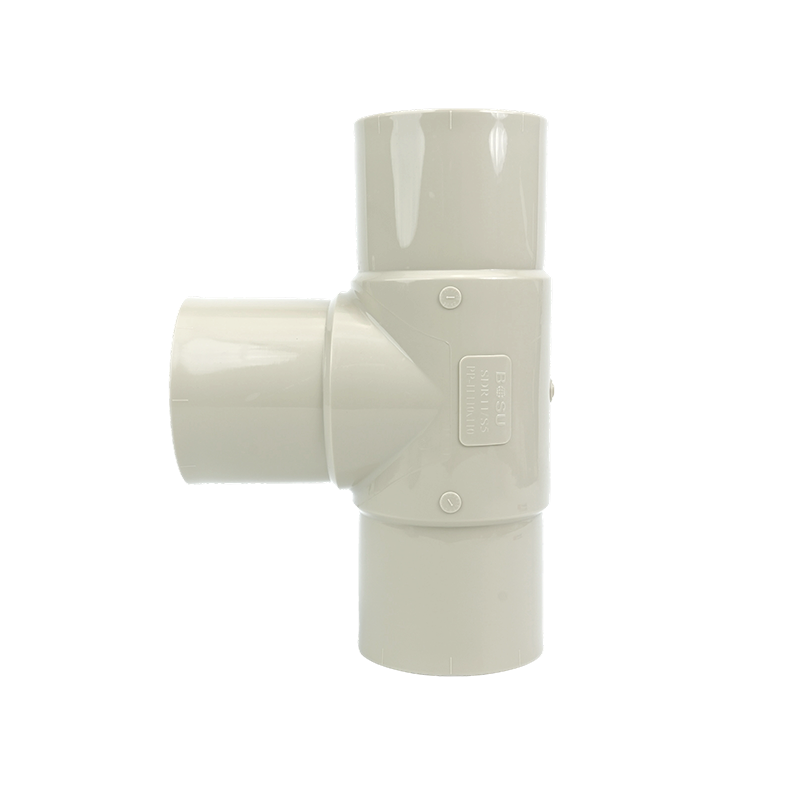
1. It features an elongated, streamlined profile with smooth internal and extern...
View More
Products
Company Information
Address: No. 55 Haichuan Road, High-Tech Zone, Dongtai City, Jiangsu Province, China
Mobile: +86 137 7009 5258
Tel: +86-515-85479999
Email: [email protected]
We'd love to hear from you!
