English
 中文简体
中文简体
β--PPH Eccentric Reducer Flanged Flexible Connector
Product Specifications: D40*32, D50*32, D50*40, D63*32, D63*40, D63*50, D75*40, ...
View MoreContent
When your plastic valve malfunctions or gets stuck, it's usually due to some abnormality in the external environment or internal structure. Based on Jiangsu Leiting Precision New Materials Co., Ltd.'s expertise in high-end industrial applications (such as semiconductors and chemicals), the following are the most common causes:
Explanation: When conveying liquids or gases, solid particles, suspended matter, or scale in the media flow through the valve along with the fluid.
Mechanism: These particles accumulate on the valve's sealing surface or inside the valve body, forming what's known as "dirt blockage" or "foreign object jamming." When the valve stem attempts to rotate or move, the dirt hinders its smooth sliding, causing the valve to jam or fail to open/close completely.
Impact: This not only affects the operating feel (potentially causing a stutter or "clicking" sound), but can also lead to valve seal failure (leakage) or accelerated wear of internal parts.
Explanation: While plastic itself is corrosion-resistant, internal metal components of the valve (such as the valve stem and threads) are susceptible to corrosion from moisture and the medium.
Mechanism: Over time, rust or corrosion products may form on the metal surface of the valve stem. When you try to rotate the valve stem, this rust increases friction, making it difficult to turn the stem, or even causing it to jam.
Impact: Rust not only affects valve operation but can also allow metal debris to enter the medium, contaminating downstream equipment.
Explanation: The sealing surface is the critical contact point when the valve is closed, and is usually made of precision-machined metal or special plastics.
Mechanism: If the sealing surface is scratched, dented, or has impurities (such as glass shards or hard particles), the valve may get stuck in this uneven area when opening or closing, preventing smooth rotation.
Impact: Severe sealing surface damage can not only cause jamming but also lead to leakage or fluid backflow problems.
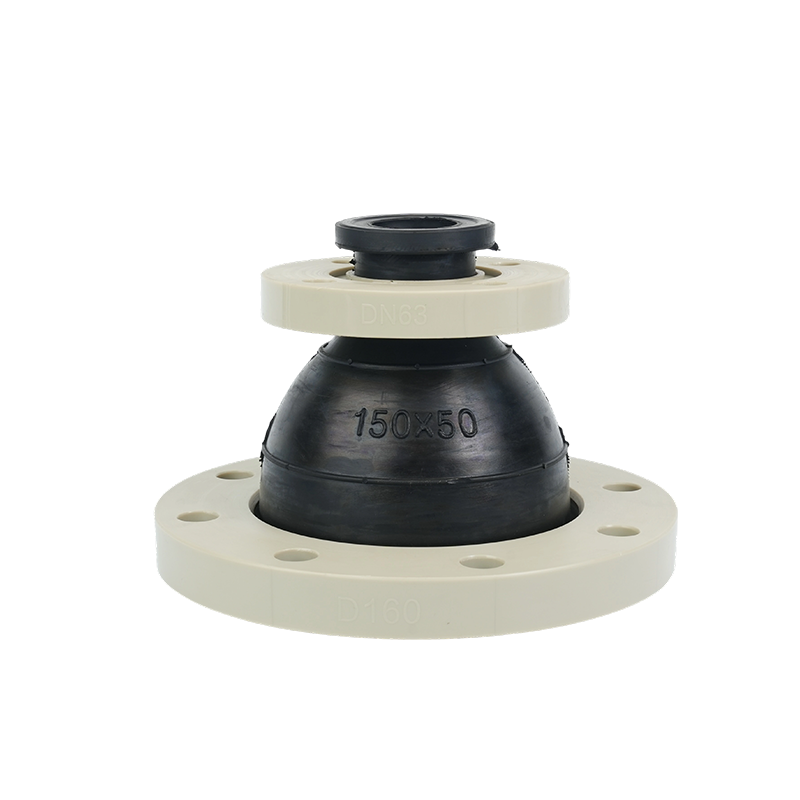
Product Specifications: D40*32, D50*32, D50*40, D63*32, D63*40, D63*50, D75*40, ...
View More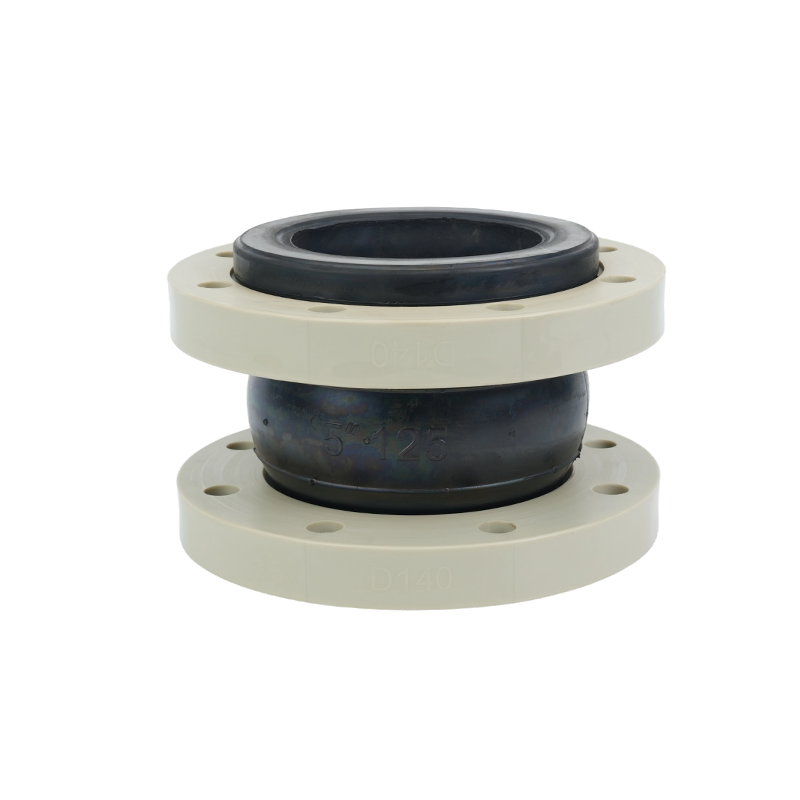
Product Specifications: DN25 (D32), DN32 (D40), DN40 (D50), DN50 (D63), DN65 (D7...
View More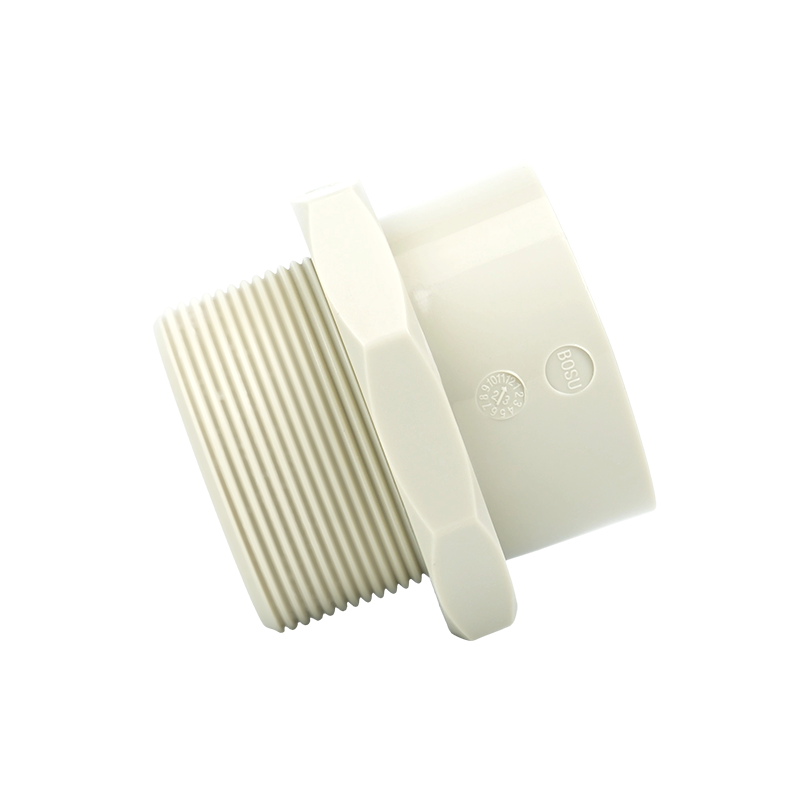
1. Fast connection, high pressure resistance, good sealing, safe and reliable wo...
View More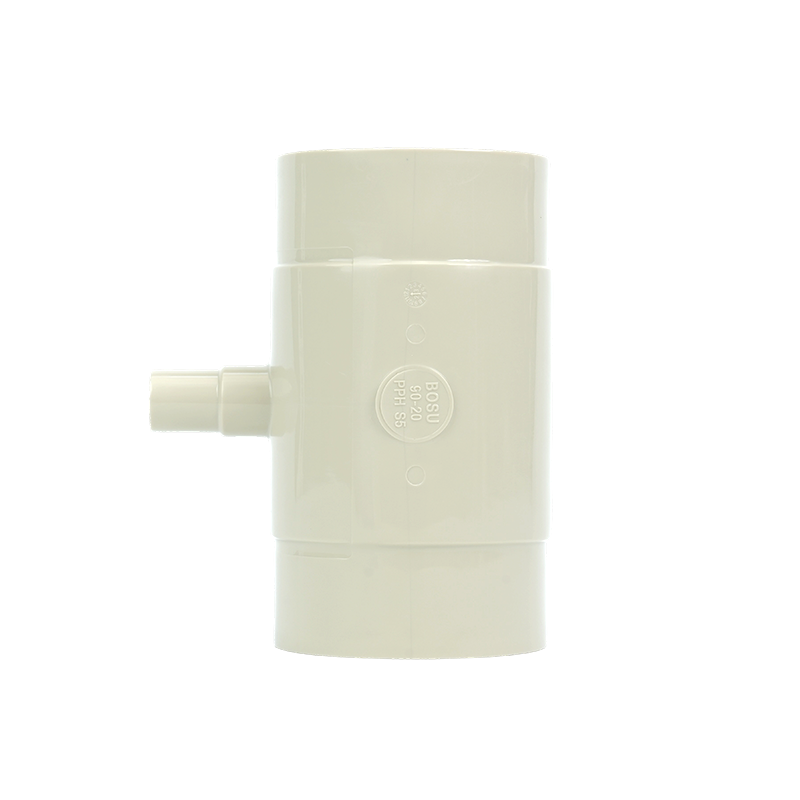
1. This fitting is used to extend a pipeline. Among its three ports, two are of ...
View More
Products
Company Information
Address: No. 55 Haichuan Road, High-Tech Zone, Dongtai City, Jiangsu Province, China
Mobile: +86 137 7009 5258
Tel: +86-515-85479999
Email: [email protected]
We'd love to hear from you!